How Randomness and Algorithms Work in Modern Slot Machines

How Randomness and Algorithms Work in Modern Slot Machines
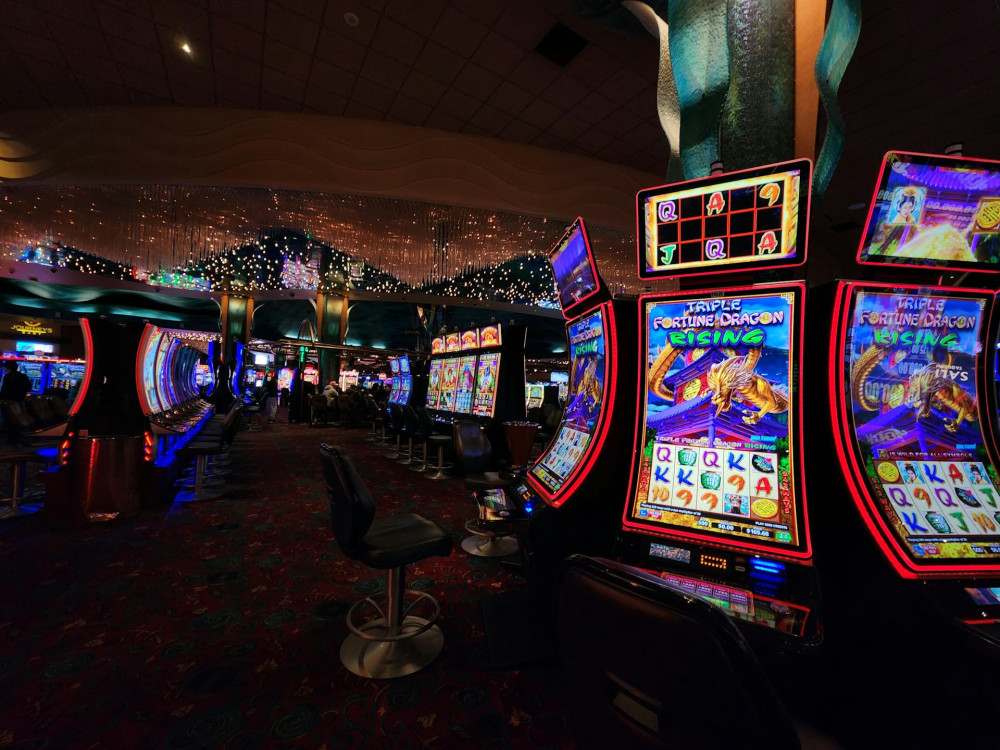
When you press the “spin” button on a slot machine, it feels like a simple moment of luck. But behind the flashing lights and colourful symbols lies sophisticated technology that determines every outcome. Modern slot machines – both in physical casinos and online – are powered by complex algorithms that ensure the game is random yet compliant with strict regulations. Here’s a look at how mathematics and chance come together in the world of digital gaming.
From Mechanical Reels to Digital Algorithms
The first slot machines of the late 19th century were entirely mechanical. The outcome depended on how the reels stopped and where the symbols landed. Today, everything is digital. The physical reels have been replaced by software, and it’s an algorithm – known as a Random Number Generator (RNG) – that decides what appears on the screen.
The RNG produces thousands of random numbers every second, even when no one is playing. When you hit “spin”, the system selects one of those numbers, which corresponds to a specific combination of symbols. This means that every spin is independent of the last – just like flipping a coin.
What Does “Random” Really Mean?
Although the outcome is random, it’s not entirely without structure. The RNG is programmed to follow certain probabilities that ensure the game pays out a specific percentage of the money wagered over time – known as the Return to Player (RTP). For example, a slot with an RTP of 96% will, on average, return £96 for every £100 wagered – though not necessarily to the same player.
This is where randomness meets statistics. In the short term, you might win big or lose quickly, but over the long term, the game will always move towards its theoretical payout percentage. This balance is what makes slot machines both exciting for players and predictable for operators.
Algorithms That Shape the Experience
Beyond the RNG, modern slot machines use a range of algorithms to control the game’s pace, graphics, and bonus features. For instance, the game can adjust how often small wins appear to keep players engaged. This doesn’t mean the game is “rigged” – it’s designed to create a particular rhythm and experience.
Some games also use pseudorandom patterns, where outcomes remain unpredictable but follow mathematical models that ensure variety and excitement. It’s a careful balance between true randomness and engaging gameplay.
Læs også:
Fairness and Regulation in the UK
In the United Kingdom, all gambling software must meet strict fairness and transparency standards set by the UK Gambling Commission. RNG algorithms are tested and certified by independent laboratories to ensure that results are genuinely random and cannot be manipulated.
Software developers use cryptographic techniques to protect RNGs from tampering, and licensed operators are regularly audited. This means that players can trust that the outcome of each spin is not influenced by previous results or by how much they have won or lost.
Why Does It Feel Like the Machine “Knows”?
Many players feel that a slot machine is “due” for a win or that it’s “hot” after a series of losses. This is a classic psychological trap known as the gambler’s fallacy – the belief that past outcomes affect future ones. In reality, each spin is completely independent. The machine doesn’t “remember” what happened before, and there’s no strategy that can predict the next result.
This illusion of control is part of what makes slot machines so captivating. They combine randomness with design elements that appeal to our senses and expectations.
The Future of Slot Machines
With artificial intelligence and machine learning entering the gaming industry, the next generation of slot machines may become even more sophisticated. Not by changing the randomness, but by tailoring the experience to individual players – adjusting themes, sounds, and pacing based on playing style.
Yet no matter how advanced the technology becomes, the core will remain the same: a moment of anticipation where everything depends on a single random number.
Læs også: