Blackjack Strategy: When Probability Outweighs Luck

Blackjack Strategy: When Probability Outweighs Luck
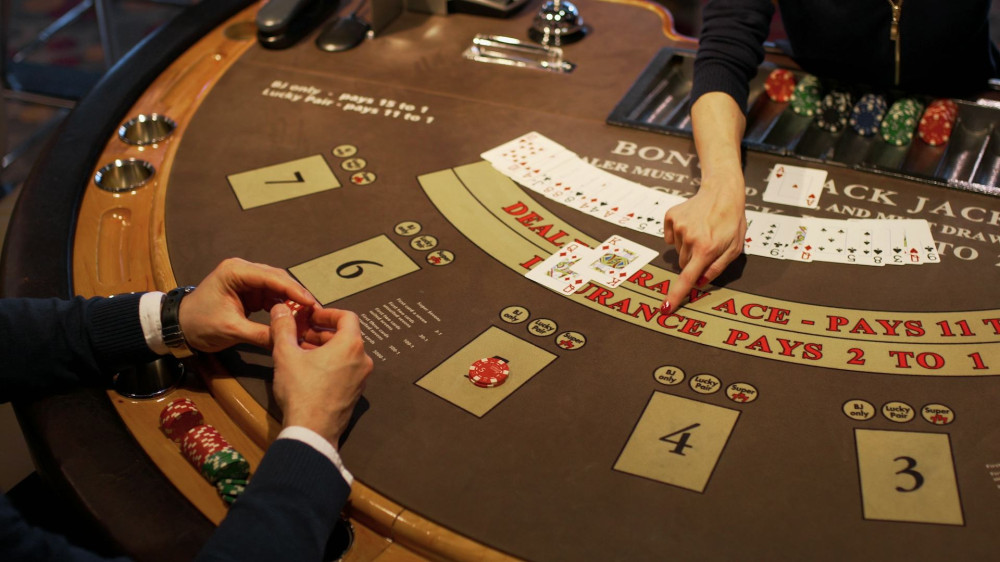
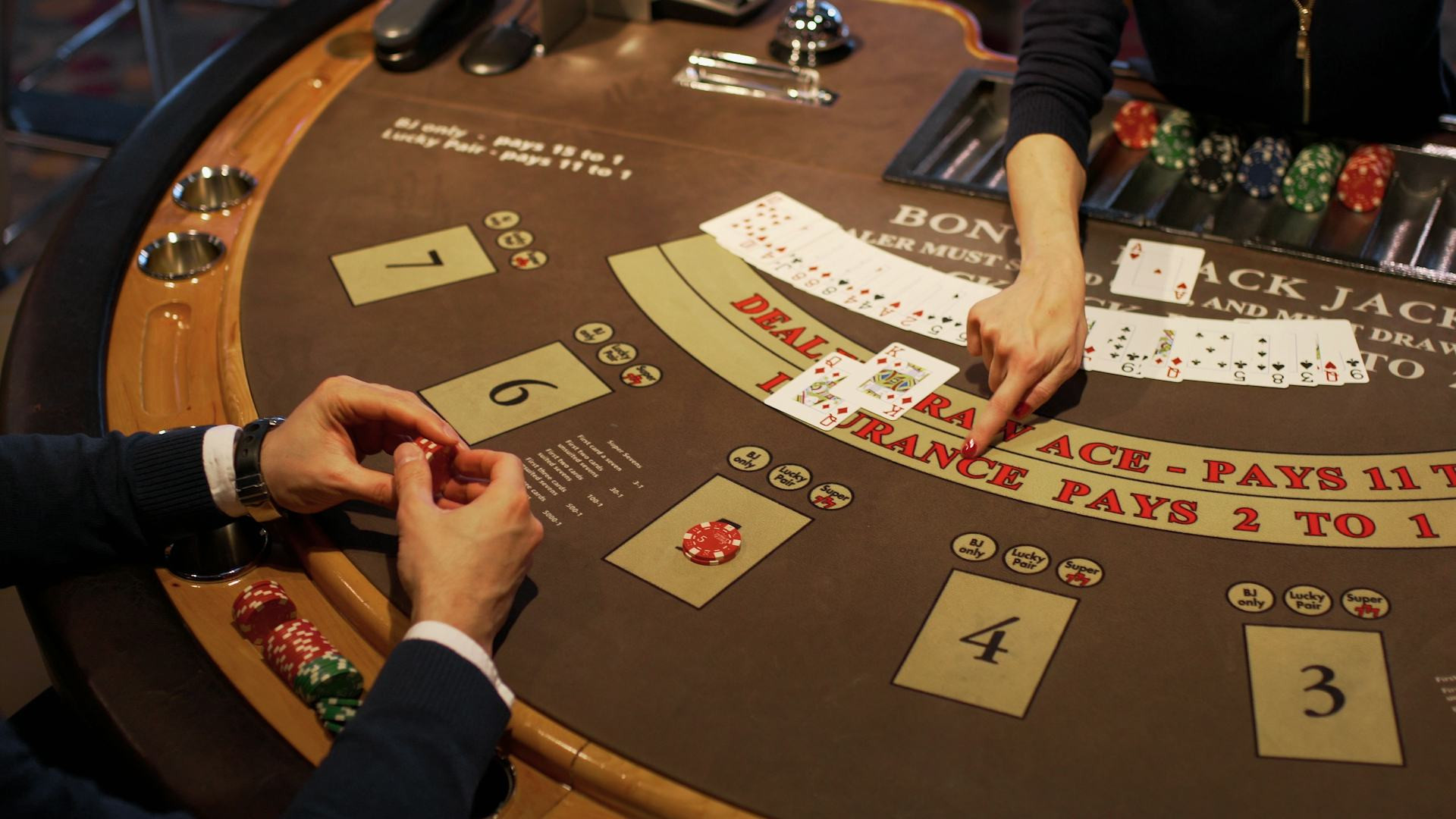
Blackjack is one of the most popular card games in the world – both in land-based casinos and online. It appeals to players because it combines luck with skill. Unlike many other casino games, blackjack allows you to influence the outcome through your decisions. It’s not just about hoping for the right cards, but about understanding probability, making rational choices, and minimising the house edge. Here’s how you can play blackjack with your head rather than your gut.
The Basics of Blackjack
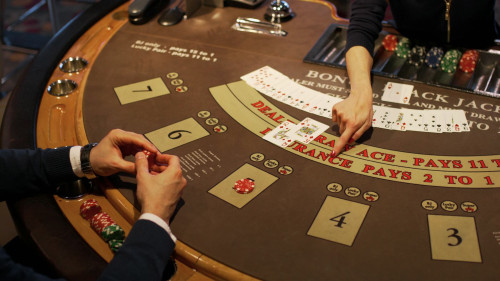
The goal of blackjack is simple: get a hand as close to 21 as possible without going over. You play against the dealer – not the other players at the table. Each player receives two cards and can choose to take more (“hit”) or stick with what they have (“stand”). Face cards count as 10, aces can be 1 or 11, and all other cards are worth their face value.
While the rules are straightforward, the challenge lies in knowing when to take another card and when to stop. That’s where probability comes into play.
The Mathematical Edge
Every casino game gives the house a small advantage – that’s how casinos make money. But blackjack has one of the lowest house edges of all, especially when played with the right strategy. With correct play, you can reduce the house edge to less than 1%. That means you’ll lose less over time and have a better chance of walking away with a profit.
The so-called “basic strategy” was developed through millions of simulated hands and shows the statistically best move in every possible situation. It takes into account both your cards and the dealer’s visible card. By following it, you can make decisions that maximise your chances of winning – regardless of how the cards fall.
When to Hit – and When to Stand
One of the most important principles in blackjack is knowing when to take another card. For example, if you have 12 against a dealer’s 2, it might feel safer to stand – but probability shows you should actually hit. On the other hand, if you have 16 against a dealer’s 6, you should stand, because the dealer is statistically likely to go bust.
It’s not about intuition; it’s about understanding the odds of what’s likely to happen next. Many players make mistakes because they play out of fear of losing rather than based on mathematics.
Splitting and Doubling – Making the Most of Your Opportunities
Two of the most exciting options in blackjack are splitting and doubling down. They allow you to increase your potential winnings when the odds are in your favour.
- Split: If you’re dealt two cards of the same value, you can split them into two separate hands. This is especially advantageous with aces and eights, as they give you better chances of forming strong hands.
- Double down: Here, you double your bet and receive only one more card. It’s a smart move when you have a hand that’s statistically likely to beat the dealer – for example, 11 against a low dealer card.
These moves require discipline and an understanding of probability. Use them only when the maths supports the decision.
Læs også:


Card Counting – Myth and Reality
Card counting has become legendary thanks to films and stories about players beating the casino. In reality, it’s about keeping track of how many high and low cards remain in the deck. When there are more high cards left, the player has an advantage because the chance of hitting blackjack (21 with two cards) increases.
Although card counting isn’t illegal, it’s difficult to do in practice – especially online, where the deck is reshuffled after every hand. In physical casinos, it’s still possible, but it requires intense concentration and experience. For most players, mastering basic strategy is far more valuable than attempting to count cards.
Psychology and Discipline
Even the best strategy won’t help if you lose your composure. Blackjack demands calmness, patience, and the ability to stick to your plan. Many players lose because they let emotions take over – chasing losses or betting too much after a win.
A good rule of thumb is to set a budget before you start playing and stick to it. Treat the game as entertainment, not as a way to make money. When you play with a clear head, you make better decisions – and that’s what separates strategy from luck.
When Probability Becomes Your Best Ally
Blackjack is a game where knowledge and probability can genuinely give you an edge. You can’t control which cards you’re dealt, but you can control how you respond to them. By understanding the maths behind the game and applying strategy consistently, you can play smarter, longer, and with a greater chance of success.
In the end, blackjack isn’t about being lucky – it’s about being prepared.
Læs også: