Randomness in Slot Machines Explained in an Easy-to-Understand Way


Randomness in Slot Machines Explained in an Easy-to-Understand Way
When you press the “spin” button on a slot machine, it feels like a moment of excitement and anticipation. But what’s really happening behind the screen when the reels start to spin? Many players believe that a machine “knows” when it’s due to pay out, or that you can sense when it’s “hot.” In reality, every spin is completely random – and that’s exactly what makes the game both thrilling and unpredictable. Here’s a simple explanation of how randomness works in slot machines.
What Does “Randomness” Mean in a Slot Machine?
In modern slot machines – both in physical casinos and online – the outcome of each spin is determined by a computer program called a Random Number Generator (RNG). This algorithm constantly produces millions of random numbers every second, even when no one is playing. When you hit “spin,” the machine selects a specific set of numbers, which decide which symbols appear on the reels.
This means that every spin is independent of the one before it. The machine doesn’t remember whether you’ve just won or lost. There’s no hidden pattern or “turn” waiting to happen – only pure mathematics and chance.
Why Doesn’t It Always Feel Random?
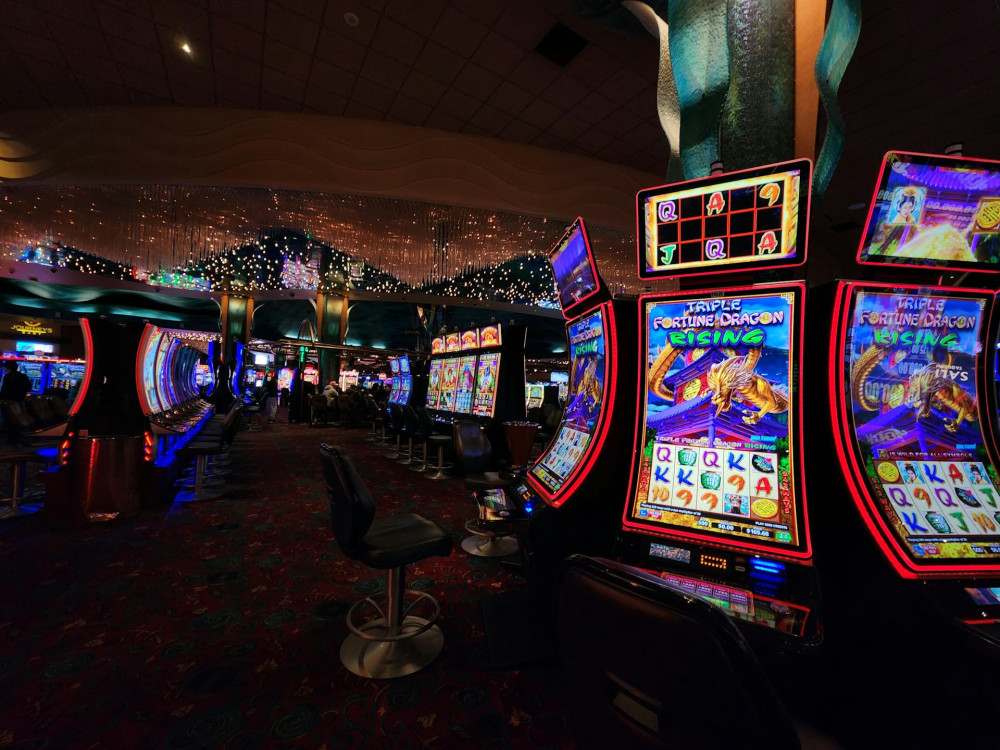
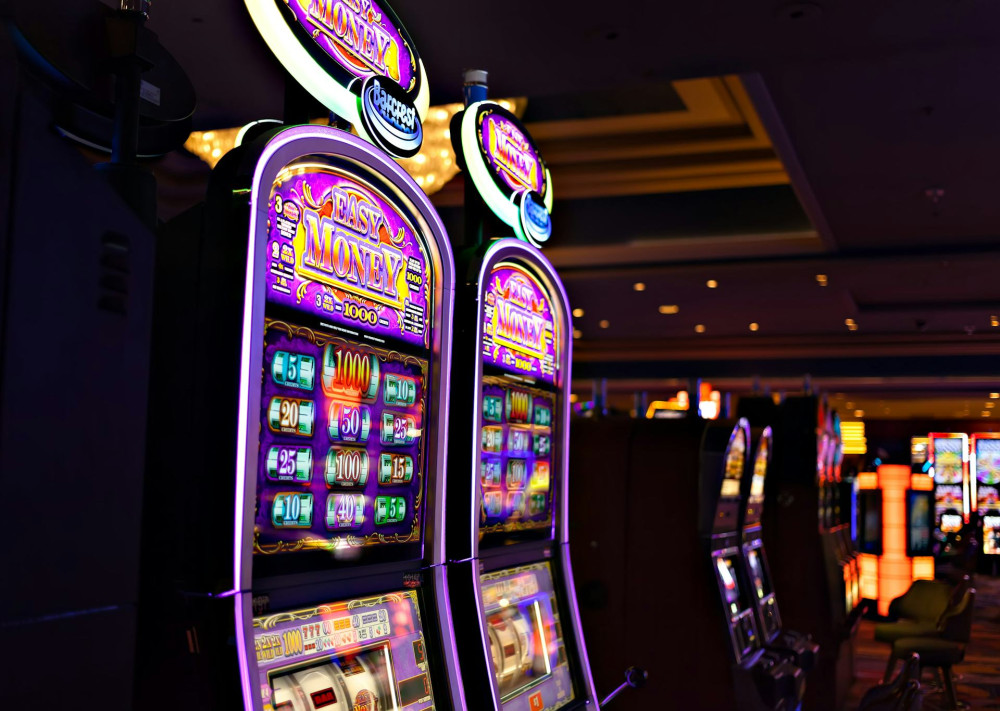
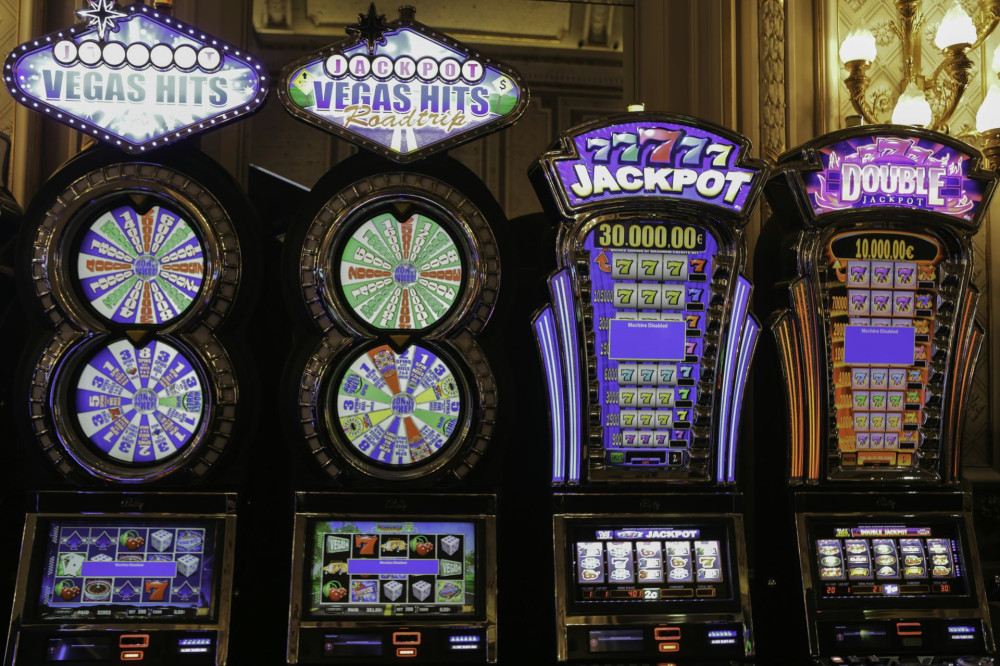
Even though the results are random, slot machines are designed to create excitement and anticipation. The flashing lights, sound effects, and near-miss moments (when you’re just one symbol away from a win) make your brain feel like you’re close to hitting the jackpot. It’s all part of the entertainment, but the outcome is already decided the instant you press the button.
Humans naturally look for patterns, even when none exist. That’s why it’s easy to believe that a machine is “acting” in a certain way, when in fact everything is governed by random numbers.
Læs også:


What Is RTP – and Why Does It Matter?
Although each spin is random, slot machines have a built-in RTP (Return to Player) percentage. This figure shows how much of the total money wagered is paid back to players over time. For example, a slot with an RTP of 96% will, on average, return £96 for every £100 wagered – but that’s an average calculated over thousands of spins.
For individual players, results can vary widely. You might get lucky and win big in a few spins, or you might go through long stretches without a win. That’s the nature of randomness – no one can predict when a payout will happen.
Can You Influence the Outcome?
In short: no. There’s no strategy that can change how the RNG works. Whether you spin quickly or slowly, play at certain times of day, or follow specific patterns, none of it affects the result. The only things you can control are how much you bet and how long you play.
The best approach is to play for fun, not as a way to make money. If you see the game as entertainment rather than a source of income, you’ll have a more enjoyable and realistic experience.
Playing Responsibly
Understanding randomness can help you play more mindfully. Here are a few simple tips:
- Set a budget before you start, and stick to it.
- Take breaks to keep a clear head.
- See wins as luck – not profit.
- Stop when it’s no longer fun.
Knowing how randomness works makes it easier to enjoy the game without falling for the illusion of control.
Randomness Is the Heart of the Game
Randomness is what makes slot machines exciting. Every spin is a new, unpredictable moment – no patterns, no forecasts. Once you understand that, you can play with a clear mind and realistic expectations. It’s not about “beating the system,” but about understanding it – and enjoying the game for what it truly is: a random encounter with luck.
Læs også: