From Card Games to Tournaments: The Historical Development of Poker Rules

From Card Games to Tournaments: The Historical Development of Poker Rules
Poker is today one of the world’s most recognisable card games – a blend of strategy, psychology, and chance. Yet the journey from informal card games in 19th-century America to modern tournaments broadcast on television and online has been long and full of transformation. The rules, formats, and culture of poker have evolved alongside society, technology, and the players themselves. Here’s a look at how the game’s rules developed through the ages.
From the Mississippi to the World Stage
The earliest forms of poker appeared in the early 1800s along the Mississippi River, where traders, soldiers, and travellers played cards on riverboats and in saloons. The game was influenced by the French poque and the German pochen, both of which involved bluffing and betting as central elements.
Originally, poker was played with just 20 cards and four players, each dealt five cards. The rules were simple, and the focus was on reading opponents and wagering wisely. As the game spread westward across the United States, the deck expanded to 52 cards, and new variants such as draw poker and stud poker emerged, adding depth and complexity.
Standardisation and Professionalisation
As poker became more widespread, the need for consistent rules grew. By the late 19th century, clubs and casinos began to establish standardised guidelines for hand rankings, betting structures, and the number of cards that could be exchanged.
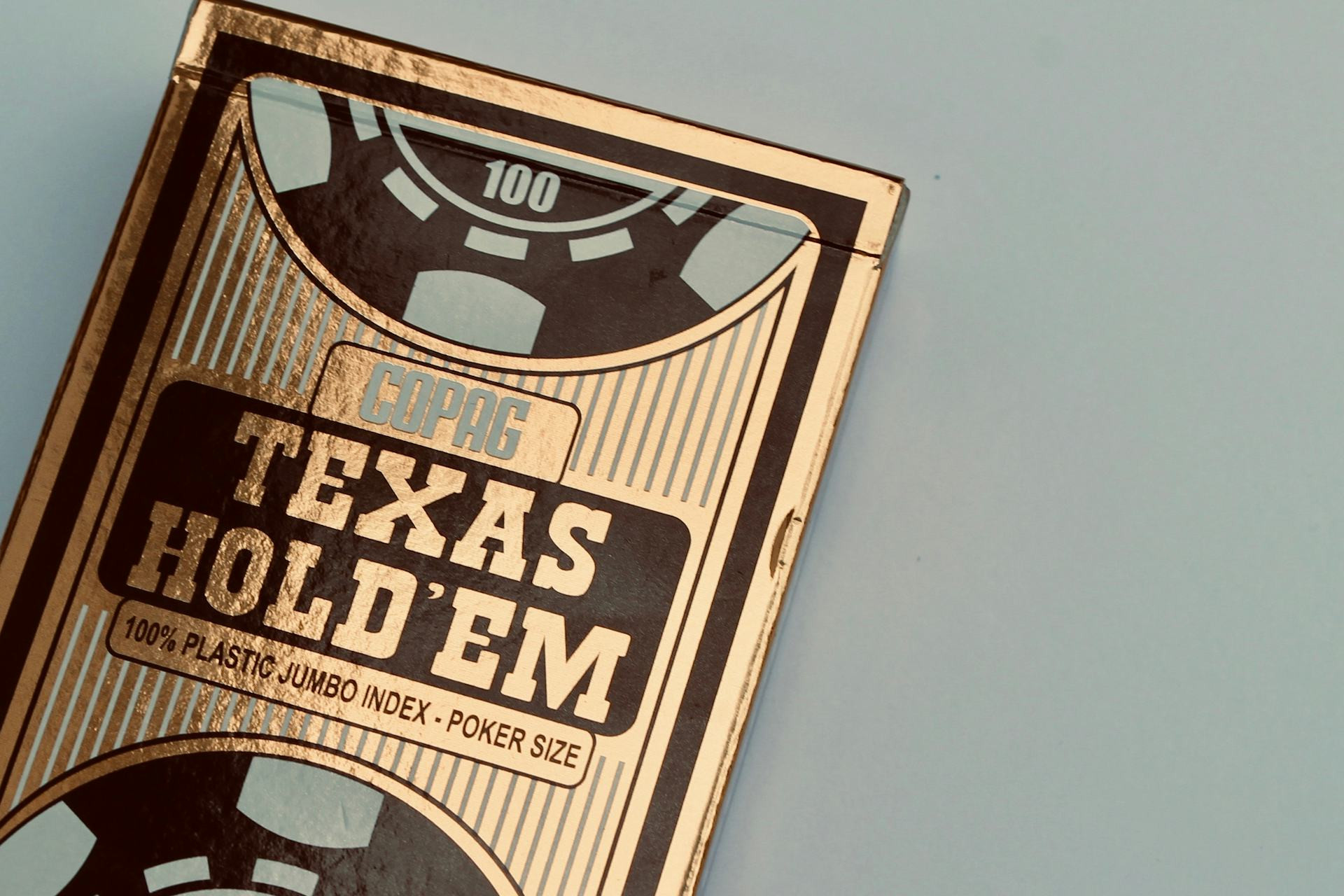
In the early 20th century, Texas Hold’em was introduced in the southern United States. This version, in which players share community cards on the table, made the game more strategic and engaging. However, it wasn’t until the 1960s that Hold’em gained real prominence, when it was introduced to Las Vegas casinos and quickly became the preferred format for serious players.
The Age of Tournaments
A defining moment came in 1970, when casino owner Benny Binion hosted the first World Series of Poker (WSOP) at Binion’s Horseshoe in Las Vegas. The event brought together some of the best players of the time to compete for the title of world champion. The WSOP soon became a symbol of poker’s professionalisation, attracting players and spectators from around the globe.
The tournament established the blueprint for modern competitive poker: structured blinds, prize pools, and a clear progression towards a single winner. Concepts such as no-limit betting and freezeout formats became standard, shaping the way poker is played in tournaments to this day.
Læs også:

Rules in the Digital Era
The rise of the internet in the 1990s transformed poker once again. Online platforms allowed players to compete at any time, from anywhere, and the rules were adapted to fit the digital environment. Features such as time limits for decisions, automatic blinds, and tournament software ensured fair and efficient play.
International standards for online poker were developed, allowing players from different countries to compete under unified rules. This global accessibility helped turn poker into a truly international pastime, with the UK playing a major role in the growth of regulated online poker markets.
The Modern Era: From Hobby to Sport
Today, poker is more than a game – it’s a competitive sport with professional players, sponsorships, and televised events. The rules are largely standardised worldwide, though variations such as Omaha, Seven Card Stud, and Short Deck Hold’em continue to thrive. What unites them all are the same core principles: betting, strategy, and psychological insight.
Major tournaments like the WSOP, the European Poker Tour, and the World Poker Tour have made poker part of mainstream entertainment. In the UK, televised poker and online streaming have brought the game to a wide audience, inspiring a new generation of players. Platforms such as PokerStars and 888poker, many with British roots or strong UK presence, have helped shape the modern poker landscape.
From Parlour Game to Global Phenomenon
The history of poker is the story of a game that has continually adapted to its time. From the simple rules of riverboat games to today’s complex tournament structures, poker has always retained its essence: the thrill of risk, the art of reading opponents, and the satisfaction of making the right move at the right moment.
The rules may have evolved, but the spirit of the game remains unchanged – and that enduring balance of skill, chance, and human psychology is what keeps poker captivating millions of players around the world.
Læs også: