European vs American Roulette – Adapt Your Strategy to the Differences


European vs American Roulette – Adapt Your Strategy to the Differences
Roulette is one of the most iconic casino games in the world – a blend of chance, excitement, and strategy centred around a spinning wheel. But not all roulette wheels are the same. The difference between European and American roulette may seem minor at first glance, yet it has a major impact on your odds and the strategy you should use. Here’s a guide to understanding the key differences – and how to adapt your approach depending on which version you play.
Two Wheels – One Crucial Difference
The most important distinction between European and American roulette lies in the number of pockets on the wheel.
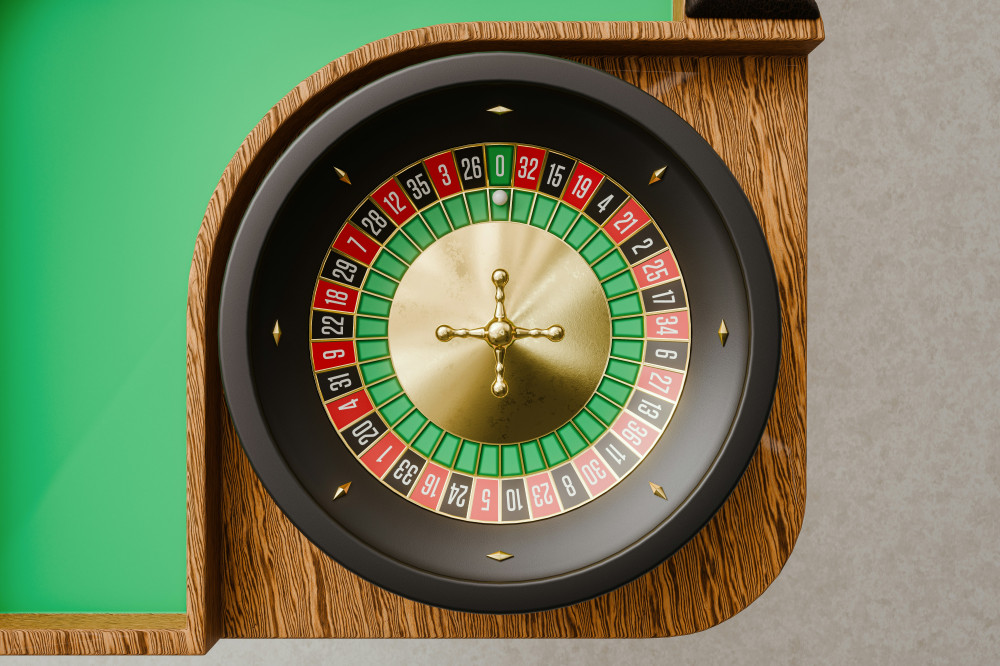
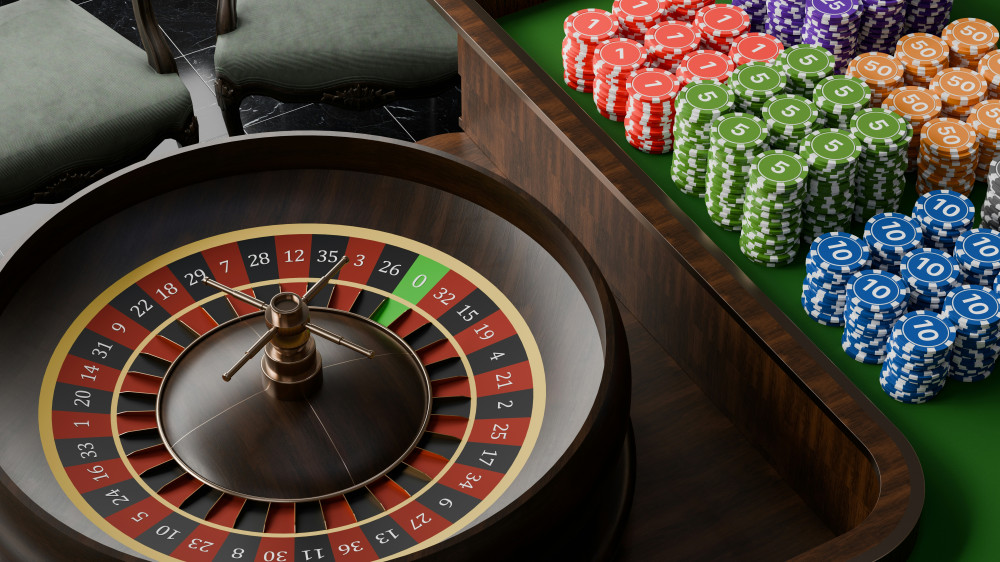
- European roulette has 37 pockets: numbers 1–36 and a single green zero (0).
- American roulette has 38 pockets: numbers 1–36, a green zero (0), and an additional green double zero (00).
That extra pocket in the American version increases the house edge. In European roulette, the house edge is typically around 2.7%, while in American roulette it rises to about 5.26%. It might not sound like much, but over time it makes a significant difference to your expected returns.
How the Difference Affects Your Strategy
Because European roulette offers better odds, strategies that rely on frequent small wins – such as the Martingale system, where you double your stake after each loss – tend to perform better on the European wheel. The lower house edge means you have a slightly higher chance of finishing ahead in the short term.
In American roulette, however, you need to be more cautious. The extra zero reduces your probability of winning on every bet, which can quickly erode your bankroll. Here, it can be wiser to focus on fewer, more selective bets – for example, specific numbers or smaller combinations – rather than spreading your chips too widely.
“En Prison” and “La Partage” – European Advantages
Another reason many players prefer European roulette is the availability of special rules in some casinos: “en prison” and “la partage.”
- With la partage, if the ball lands on zero when you’ve bet on an even-money outcome (such as red/black or odd/even), you get half your stake back.
- With en prison, your stake is “imprisoned” for the next spin if the ball lands on zero, and you get it back if your bet wins on the following spin.
These rules further reduce the house edge, making European roulette even more player-friendly. American roulette rarely offers equivalent options.
Læs også:



The Playing Experience – Pace and Atmosphere
Beyond the mathematics, there’s also a cultural difference. European roulette is often associated with the elegance of Monte Carlo and a more measured pace of play. American roulette, popular in Las Vegas and other US casinos, tends to have a faster tempo and a livelier atmosphere.
If you enjoy a game that allows time to think and plan your bets, the European version is likely to suit you better. If you prefer a faster, more energetic experience, the American version can be great fun – as long as you’re aware of the statistical disadvantage.
Choosing the Right Version
When deciding between European and American roulette – whether online or in a land-based casino – consider the following:
- Check the rules: See if the casino offers la partage or en prison; these can make a real difference.
- Play with purpose: If you’re playing for entertainment, either version can be enjoyable. If you’re playing strategically, European roulette is the smarter choice.
- Mind the pace: American roulette often moves faster, which can mean quicker losses if you’re not careful.
- Practise first: Many online casinos offer free versions, allowing you to get a feel for the differences before wagering real money.
Conclusion: Small Differences, Big Impact
The difference between one zero and two may seem trivial, but it changes the entire game’s mathematics. European roulette gives you better odds and more strategic flexibility, while American roulette demands greater caution and discipline.
Whichever version you choose, the key is to understand the rules, know the probabilities, and remember that roulette is ultimately about enjoyment. By playing with awareness of the differences, you’ll not only improve your strategy but also enhance your overall experience.
Læs også: